The Buy Note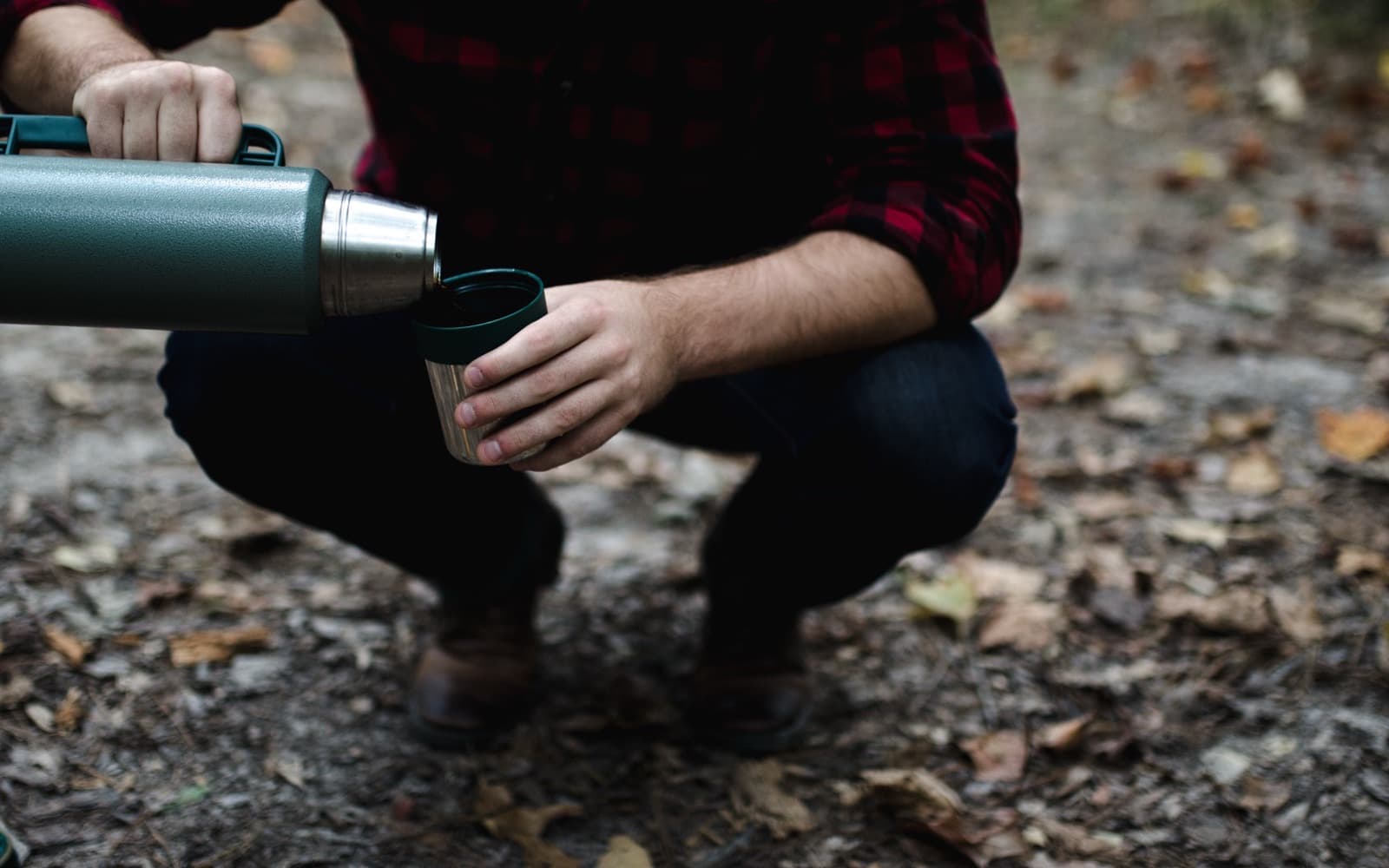
Most people buy the wrong bottle in a predictable way: they choose the body and ignore the lid, then stop carrying it because it leaks or smells. The body is the easy part. Below is what actually separates one bottle from another, and where the expensive choice is genuinely doing something.
Insulated or single-wall: the decision that sets everything else
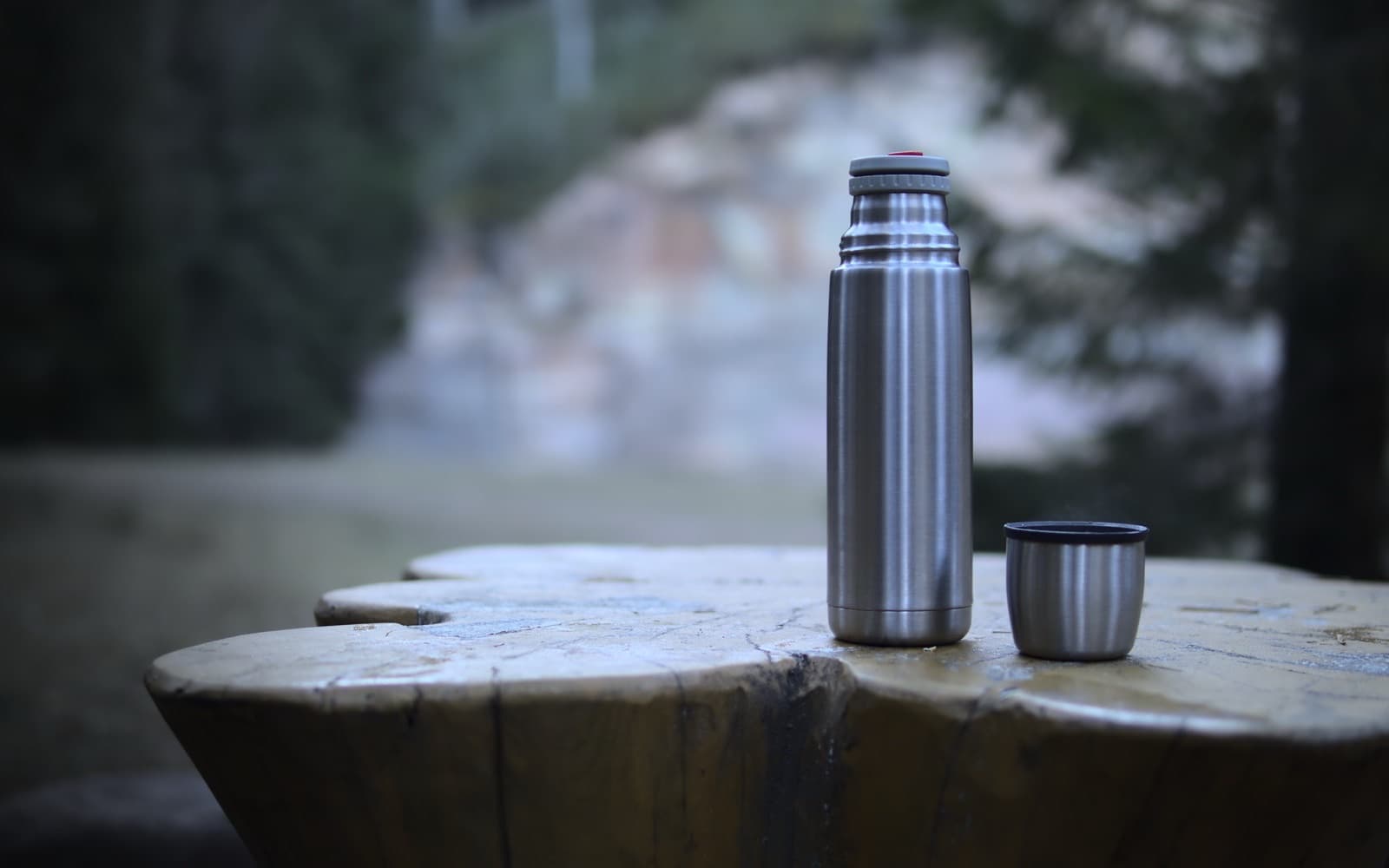
A vacuum-insulated bottle is two steel walls with the air pumped out between them. That gap is why ice survives a warm afternoon and why the outside stays dry when the inside is cold. It is also why the bottle is heavier than it looks and holds less than its external size suggests.
Single-wall does none of that, and for a lot of people it does not need to. If you refill from a tap several times a day and drink water at room temperature, insulation is weight you are carrying for nothing.
Two situations flip it:
- You want cold water hours later. Nothing else achieves this. A single-wall bottle of ice water is tepid within an hour or two indoors, and faster in a car.
- The bottle lives in a bag. A cold single-wall bottle sweats, and the condensation runs into whatever it is packed against — a laptop sleeve, a towel, paper. An insulated bottle stays dry outside because the inner wall never touches the outer one.
Hot drinks are the other half. Single-wall steel conducts heat straight through, so a bottle of tea is uncomfortable to hold and cold soon after. If you want hot liquid still hot at lunchtime, insulated is the only version that works.
Stainless, plastic and what the water tastes like
Three materials cover almost everything worth buying.
Stainless steel, usually the 18/8 grade also used for decent cutlery. It does not hold flavour, does not scratch into a haze, and survives being dropped. It is the heaviest option, it dents, and a painted or powder-coated exterior chips at the base long before anything else goes wrong.
Copolyester plastic, sold under names like Tritan. Light, clear enough to see how much is left and whether the inside is clean, and it bounces rather than dents. It scratches over time, and scratched plastic is where flavours start to linger. The sensible choice for anything you will drop repeatedly or carry a long way on foot.
Aluminium with an internal liner. Light and strong, but the liner is the product. If it is damaged the bottle is finished, and you usually cannot see the damage.
A note on taste: a new steel bottle sometimes tastes faintly metallic for the first few fills, and a new plastic one faintly of plastic. Both usually fade. A taste still there after a week of use is a cleaning problem rather than a material one.
The lid is where bottles leak
Almost every failure that makes somebody give up on a bottle happens at the lid. Bodies are simple. Lids have threads, gaskets, hinges, straws and sometimes a button, and each is a seam.
| Lid type | Drinking | Leak risk | Cleaning |
|---|---|---|---|
| Plain screw cap | Two hands and a tilt | Lowest — one gasket, no moving parts | Easiest; wipe threads and gasket |
| Flip top / chug | Fast, one-handed, good for volume | Moderate; hinge and latch age | Fine; check the hinge recess |
| Straw lid | Best seated, driving or cycling — no tilting | Moderate to high; a second path out | Needs a straw brush |
| Push-button lock | One-handed, lid out of your face | Depends on the button seal | Hardest; rarely comes apart |
| Sport nipple / bite valve | Quick sips while moving | Leaks once the valve softens | Valve should pull out; many do not |
Convenience and leak resistance trade against each other, because convenience is delivered by mechanisms and mechanisms are what fail. If a bottle rides upright in a cup holder or a cage, take the convenient lid. If it goes in a bag alongside anything you would mind getting wet, take the screw cap.
Two things worth checking: whether the gasket pulls out for cleaning and goes back without a fight, and whether replacement lids are sold separately. A bottle whose lid cannot be replaced has a fixed lifespan however good the body is.
Mouth width, cleaning, and where the smell lives
Wide-mouth bottles take ice cubes, take a bottle brush, dry properly and are easy to fill from an awkward tap. They are also harder to drink from while moving — a wide opening delivers more water than you asked for, and some of it goes down your front.
Narrow mouths drink cleanly and pour predictably. They also cannot be cleaned by hand, only by brush, and they dry slowly because air does not circulate. The compromise most people end up wanting is a wide body opening with a narrower drinking aperture in the lid: fill and clean through the wide mouth, drink through the small one.
Which brings us to the smell. It is nearly always the lid, and nearly always because something stayed damp: water sits in the gasket groove, inside a straw, or in the lid threads, and never dries out. Then the bottle gets screwed shut and put in a bag.
What helps:
- Take the gasket out, if it comes out, and wash the groove.
- Store the bottle with the lid off, or at least loose. A sealed damp bottle stays damp.
- Brush the straw through rather than rinsing it.
- If a smell has set in, a soak with hot water and a little bicarbonate of soda usually clears it. If it comes straight back, the part holding it is porous or scratched and wants replacing.
Anything you fill with juice, squash or protein shakes needs washing the same day. That is the real reason gym bottles smell.
Capacity versus what you will actually carry
A litre of water weighs about a kilogram, and that weight does not shrink because the bottle is a nice one. This is where a lot of buying goes wrong: people choose the capacity that matches how much they intend to drink, not the one they will tolerate carrying.
Roughly:
- Small bottles are the ones that get carried every day. They fit side pockets, cup holders and small bags, and they are right if a tap is never far away.
- Around a litre is the general-purpose size: a training session or a commute without a refill, still easy one-handed.
- Anything larger makes sense for hiking, hot climates, long drives or anywhere with no refill point. It is a poor everyday bottle: heavy full, awkward in a bag, slow to drink down.
Insulated bottles also run larger on the outside than a single-wall one of the same stated capacity, because the vacuum wall consumes volume. Measure against the pocket or cage you plan to use.
When the cheap bottle is the right bottle
If you refill from a tap at work, never carry the bottle in a bag with anything precious, and drink water at room temperature, a plain single-wall plastic bottle with a screw cap does the entire job. It is lighter, it does not dent, you can see when it needs cleaning, and losing one is an annoyance rather than an event.
Skip the expensive insulated bottle if you leave the house with it once a week — it will spend most of its life empty in a cupboard, and the insulation is doing nothing there. Skip the elaborate lid if you have ever put a bottle in a bag and hoped. And if you already own a bottle you like but it smells, buy a replacement gasket and a straw brush before you buy a new bottle. That is usually the whole problem.
The bottle that keeps you drinking water is the one you carry, and nothing above changes that.