The Buy Note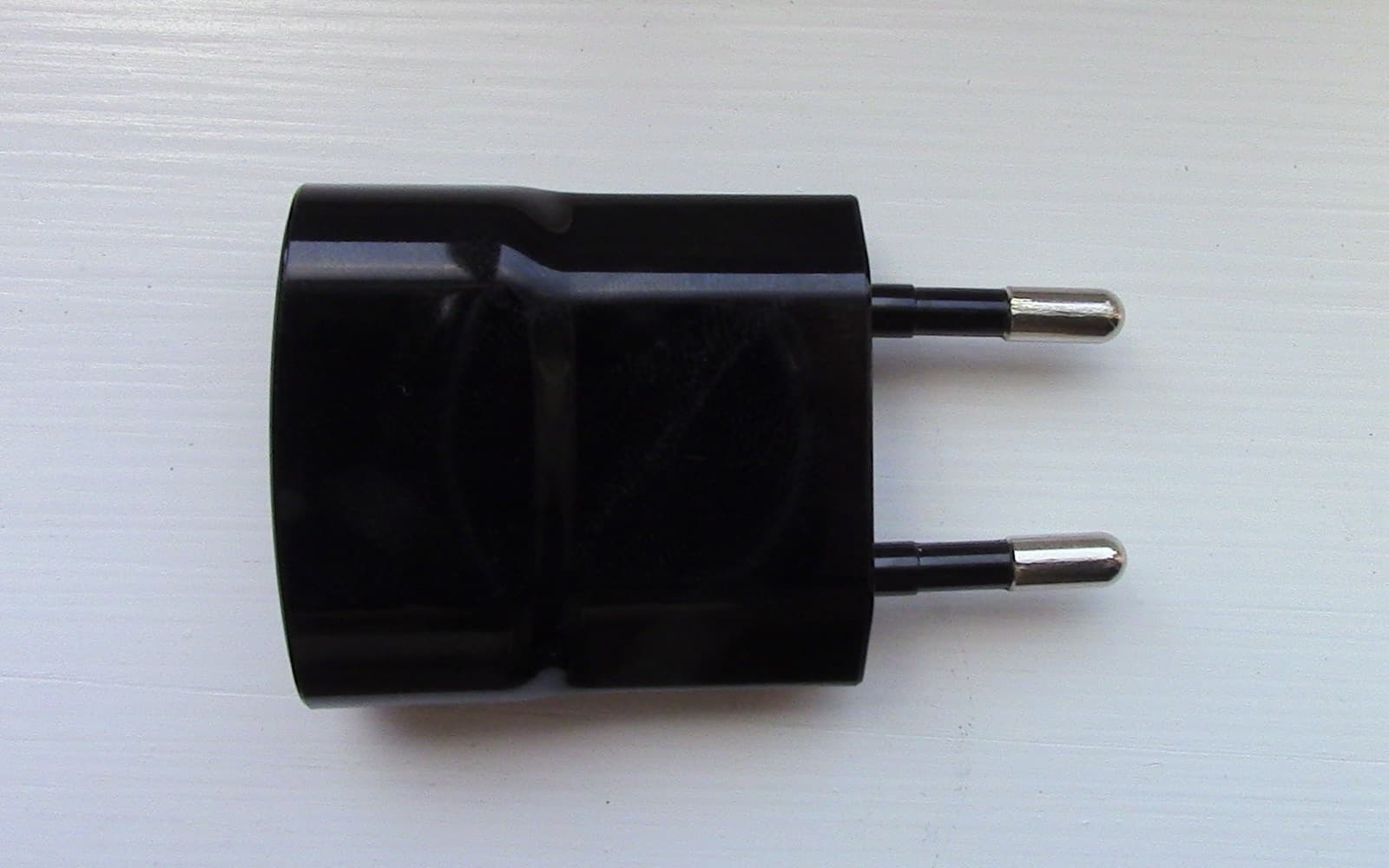
Charging gear is the part of a setup people replace most often and think about least. The pattern worth following is dull: buy from a brand that publishes real specifications and honours a warranty, buy a charger with more wattage headroom than you need today, and treat cables as the component most likely to be the actual fault. Anker is the sensible default across all three categories; Ugreen is the value alternative that gives up very little.
Nothing here has been bought, opened or tested. These are picks made from what each product is built out of and designed to do, and from its reputation — not from anybody here having owned one.
Why a GaN charger is smaller for the same wattage
Gallium nitride replaced silicon in the switching transistors of these chargers. It switches at higher frequencies and wastes less energy as heat, so the transformer and capacitors inside can shrink and the shell can be tighter without cooking itself.
The consequence is size, not speed. A 65W GaN charger and a 65W silicon brick deliver identical power to identical devices. One of them fits in a pocket. That is the whole benefit, and for anything that goes into a bag it is worth having.
Anker Nano — the pocket charger
Anker's Nano line is the compact GaN range: small single-port and dual-port wall chargers, several with folding prongs, covering everything from a phone-sized output up to enough for a thin laptop. The reason to start here is boring and correct — Anker publishes wattage per port and what happens when you use two at once, supports its products for years, and honours a warranty without a fight.
Who it suits: anybody who carries a charger. It replaces the brick that came with the laptop and the second one that lives in the bag.
The weakness: on dual-port models the advertised total is shared, not doubled. Plug in a second device and the first one steps down, sometimes sharply. If both devices need real power at the same time, you want a higher-rated model than the arithmetic suggests, and Anker's own specification page is the only place that tells you how the split behaves.
Ugreen Nexode — the value alternative
Ugreen's Nexode range is the same idea from a competitor: GaN chargers across a wide wattage spread, multi-port models included, generally cheaper than the Anker equivalent at the same rating. The build is solid, the specifications are published, and the safety certifications are real. For a charger that lives permanently behind a desk, the case for paying more is thin.
Who it suits: the second and third charger. The one at the bedside, the one at the office, the one in the kitchen drawer.
The weakness: Ugreen's model naming is a thicket, with several near-identical products separated by port layout rather than anything you would notice on a shelf. It takes more effort to work out exactly what you are buying, and support, while adequate, is not the reflex-fast replacement Anker tends to offer.
Anker braided cables — the ones that survive a bag
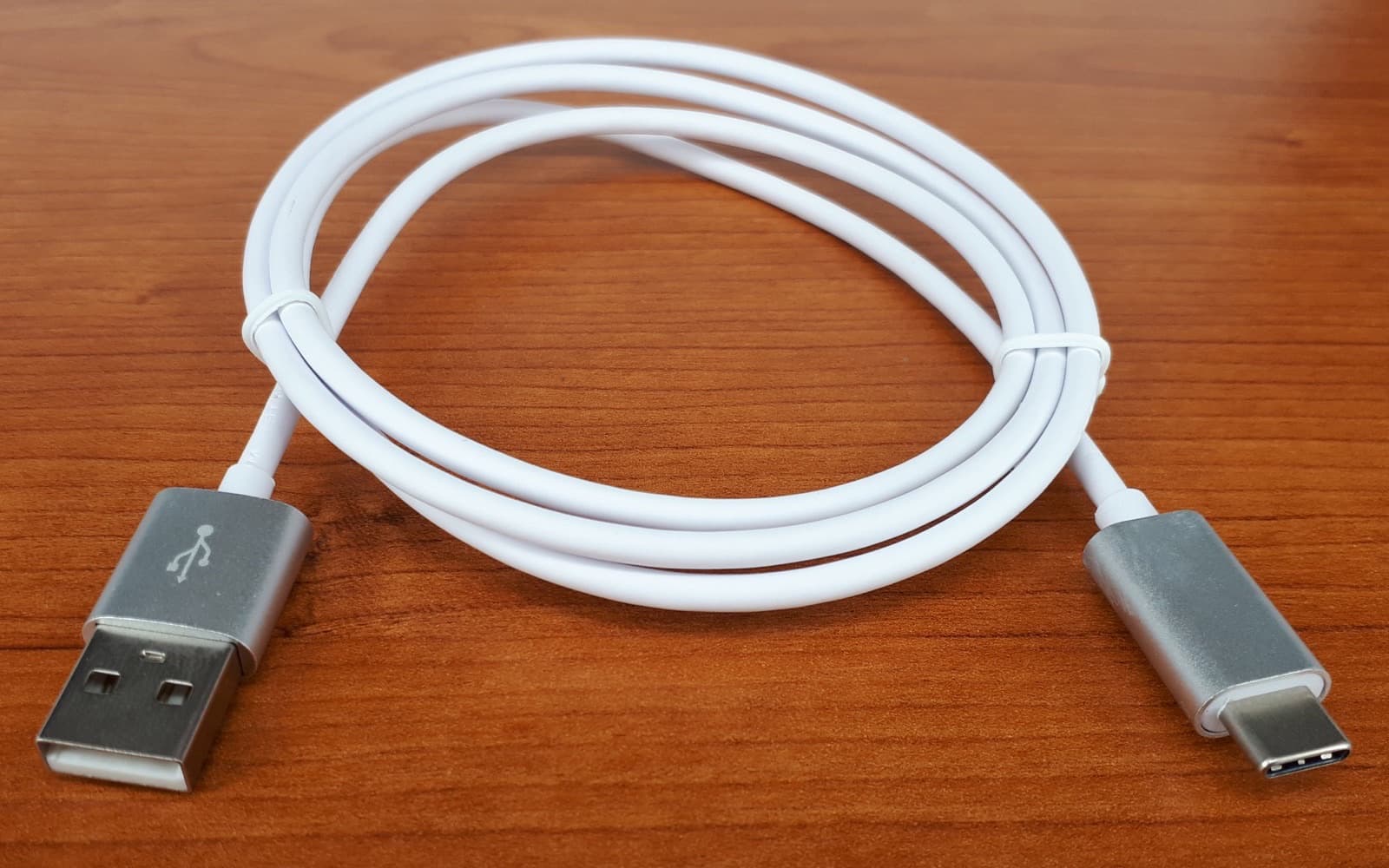
Anker sells its cables under numbered model names now rather than the PowerLine family name it used for years, so buy on the specification rather than the range name. The braided ones are the variants worth the difference. They exist in USB-C to USB-C, USB-C to Lightning and USB-A to USB-C, in short desk lengths and longer sofa lengths, and the higher-wattage versions carry the e-marker chip that lets a charger go past 3 amps.
Who it suits: the cable you will actually carry, coil and stuff into a pocket several times a day.
The weakness: braiding protects the jacket, not the strain relief at the plug, which is still where cables die. And a high wattage rating says nothing about data speed — most cables at this end of the market are USB 2.0 inside, which is fine for charging and useless for an external SSD.
Cable Matters — when the cable has to do everything
Cable Matters is the brand to reach for when a cable needs to carry data or video as well as power: certified USB4 and Thunderbolt cables, DisplayPort Alt Mode support, clear labelling of what each one does. If a monitor stays black while the laptop charges happily, the cable is almost always the culprit, and this is the category of cable that fixes it.
Who it suits: docks, external drives, USB-C monitors, anything where the cable is part of the signal path.
The weakness: these cost noticeably more than a charging cable, and the fastest ones are short by physics — a passive 40Gbps cable runs out at well under a metre. Buying one for a job that only needs charging is money spent on copper you will never use.
Anker power banks — the two sizes that matter
Anker has made power banks for longer than most of its competitors have existed, latterly under numbered model names rather than the PowerCore range name, and the two sizes that matter for most people are the roughly 10,000mAh pocket bank and the roughly 20,000mAh bag bank. The smaller one is a phone-sized slab that will refill a phone about twice. The larger one is heavy enough that you notice it and will do a phone several times or give a small laptop a meaningful top-up.
The number that governs air travel is watt-hours, not milliamp-hours. Divide roughly: capacity in mAh, times the 3.7V nominal cell voltage, divided by 1,000.
| Capacity | Roughly | Carry-on | Realistically for |
|---|---|---|---|
| 5,000mAh | 18Wh | Fine, no approval | One phone top-up, pocketable |
| 10,000mAh | 37Wh | Fine, no approval | Two phone charges, daily carry |
| 20,000mAh | 74Wh | Fine, no approval | Several charges, laptop top-up |
| 30,000mAh | ~111Wh | Airline approval needed | Long trips, heavy laptop use |
This is why so many large banks are built to 26,800mAh rather than a round 30,000: it puts them at about 99Wh, just under the line, and saves everybody the paperwork. Above 160Wh the answer is no, on every airline. Power banks belong in the cabin, never in checked baggage.
Who it suits: the 10,000mAh size for a normal day out; the 20,000mAh size for travel and for anybody charging a laptop away from a socket.
The weakness: stated capacity is cell capacity, not delivered capacity. Voltage conversion and heat lose you a meaningful fraction, so a 10,000mAh bank does not deliver 10,000mAh to your phone. Anker is honest about this in its documentation; the industry as a whole is not. The larger banks are also genuinely heavy, and people buy them once and then leave them at home.
Why a cheap unbranded cable is a risk, not a bargain
This is the one place where the cheapest option is not merely worse but occasionally dangerous. A USB-A to USB-C cable needs a correctly specified pull-down resistor to tell the device how much current to request. Get that resistor wrong and the cable asks for more than the port can supply, which is a way to damage the thing you plugged it into rather than merely to charge slowly. Anything drawing more than 3 amps needs an e-marker chip, and an uncertified cable claiming a high wattage frequently does not have one, so the charger quietly refuses to go fast.
Then there is the ordinary failure mode: thin conductors that drop voltage and run warm, no strain relief, and a jacket that splits at the plug. A cable that fails intermittently is worse than one that fails outright, because you will spend an afternoon blaming the charger, the port and the phone before you get to it.
The fix costs very little more. Any cable from a brand that states a wattage, states a data speed and claims USB-IF certification is enough. The risk lives specifically at the unbranded, unspecified end.
When none of this is the right purchase
If you charge one phone overnight beside a socket you already have, you need nothing here. A phone at 20W and a phone at 45W both finish long before morning, and the faster charge is the one that puts more heat through the battery.
Equally, if the cable that came in the box still works and you only ever use it to charge, replacing it buys you nothing. The upgrades in this piece pay off in specific circumstances: when you travel, when you charge a laptop away from a desk, when you need a cable to carry video, or when you are tired of a bag full of leads that half work. Outside those cases, the honest answer is that the generic cable and the charger you already own are fine.