The Buy Note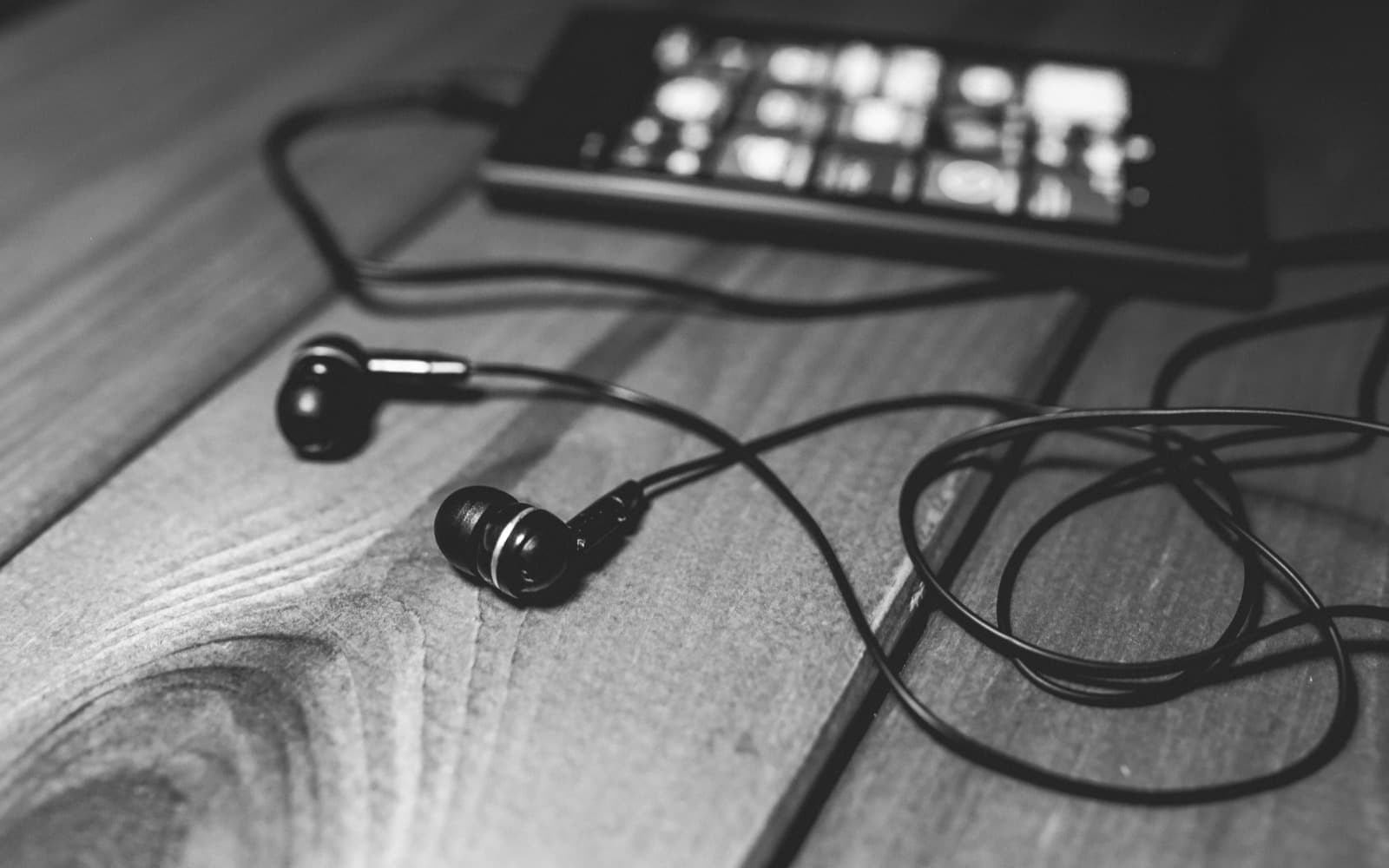
If you listen at a desk, mostly alone, wired is still the better buy and it is not close. If you move around, take calls on foot, or listen on a commute, wireless earns its compromises. The rest of this is about which compromises, so you can work out which of those two people you are.
Latency matters to some people and is invisible to everyone else
Wireless audio is not sent as sound. It is encoded, transmitted, buffered and decoded again, and each of those steps costs time. The result arrives a fraction of a second late.
For music that is meaningless. Nothing is waiting for it. For video it is usually handled for you, because phones and streaming apps delay the picture to match the audio, which is why lip sync mostly looks fine even on a basic pair.
It stops being invisible in two situations. The first is anything where you generate the sound yourself: a guitar or keyboard plugged into an app, a drum pad, learning software that listens and responds. The delay lands between your hand and your ear and it feels wrong immediately. The second is competitive gaming, where a footstep arriving late is a footstep arriving in the wrong place. Low-latency codecs exist and modern Bluetooth standards have narrowed the gap considerably, but both the source and the headphones have to support the same one, and phone makers are inconsistent about which they include. A cable has no such negotiation to fail.
The battery is the part that decides how long you own them
A wired pair has no component with a scheduled end. A wireless pair does. Lithium cells lose capacity with charge cycles and with heat, so what actually happens is not a failure but a slow retreat: the listening time you bought becomes noticeably shorter, then short enough to change your habits, then short enough to annoy you into replacing them.
True wireless earbuds reach that point first. The cells are small, they get cycled several times a day rather than once every few days, and the charging case has a battery ageing on the same clock. Over-ear wireless models age more slowly, simply because a bigger cell doing fewer cycles lasts longer.
There is one specification that changes this picture entirely, and it is easy to check before buying: whether the headphones still work as passive wired headphones when the battery is flat. Many over-ear models include a jack for exactly this. If they do, a dead battery costs you noise cancelling and convenience but not the headphones. If they do not, the battery is the product's lifespan.
At the same price, more of a wired pair's cost went into sound
This is the honest version of an argument that usually gets overstated. A wireless pair has to pay for a radio, a digital-to-analogue converter, an amplifier, a battery, charging circuitry, microphones, buttons or touch panels, and often noise cancelling. A wired pair pays for drivers, a cable and the cups around them. At the same price, more of the money reached the parts that make sound. That is not marketing, it is arithmetic.
Two things cut against it. Wireless headphones process their own signal, and good digital tuning can correct driver behaviour in ways a passive design cannot, so a well-tuned wireless pair can beat a carelessly tuned wired one. And the difference between two decent pairs is usually smaller than the difference made by a proper seal, or by the noise of the room you are actually in. On a train, isolation beats fidelity every time.
So: if you are choosing for critical listening in a quiet place, wired gives you more for the money. If you are choosing for a bus, spend the difference on isolation and stop worrying about the cable.
What breaks, and whether you can fix it
Wired headphones almost always die at the cable, either at the plug or where it enters the cup. If the cable detaches, that repair is buying a cable. If it is moulded in, it is a soldering job that most people will not do. This single design choice is the difference between headphones you keep for a decade and headphones you replace.
Wireless headphones have more failure points and fewer fixable ones. Batteries in earbuds are typically glued into sealed shells and are not meant to come out. Hinges and headband joints crack. Firmware and companion apps eventually stop being updated, which usually costs you features rather than function, but sometimes costs you pairing behaviour on a new phone.
Three questions predict lifespan better than any specification sheet:
- Is the cable detachable, or the battery replaceable?
- Can you buy replacement ear pads, and are they a standard size?
- Does the pair still work wired when the battery is flat?
Ear pads are worth more attention than they get. They compress, flake and go hard, usually well before anything electronic fails, and a pair with cheap replacement pads stays comfortable for years longer than one without.
Over-ear, on-ear, in-ear
| Type | Isolation | Comfort over several hours | Suits |
|---|---|---|---|
| Over-ear | Good, without needing a tight seal in your ear | Best, if your head stays cool | Desk work, home, cold commutes |
| On-ear | Weakest of the three; leaks in and out | Depends heavily on clamp force | Short wear, people who want to hear the room |
| In-ear | Best per gram, but only with a correct tip | Varies; some ears tire in an hour | Travel, exercise, small bags |
On-ear is the awkward middle. It presses on the cartilage of the ear rather than around it, which some people barely notice and others cannot tolerate for twenty minutes, and it leaks sound in both directions. It suits you if you want something light that still lets you hear a colleague.
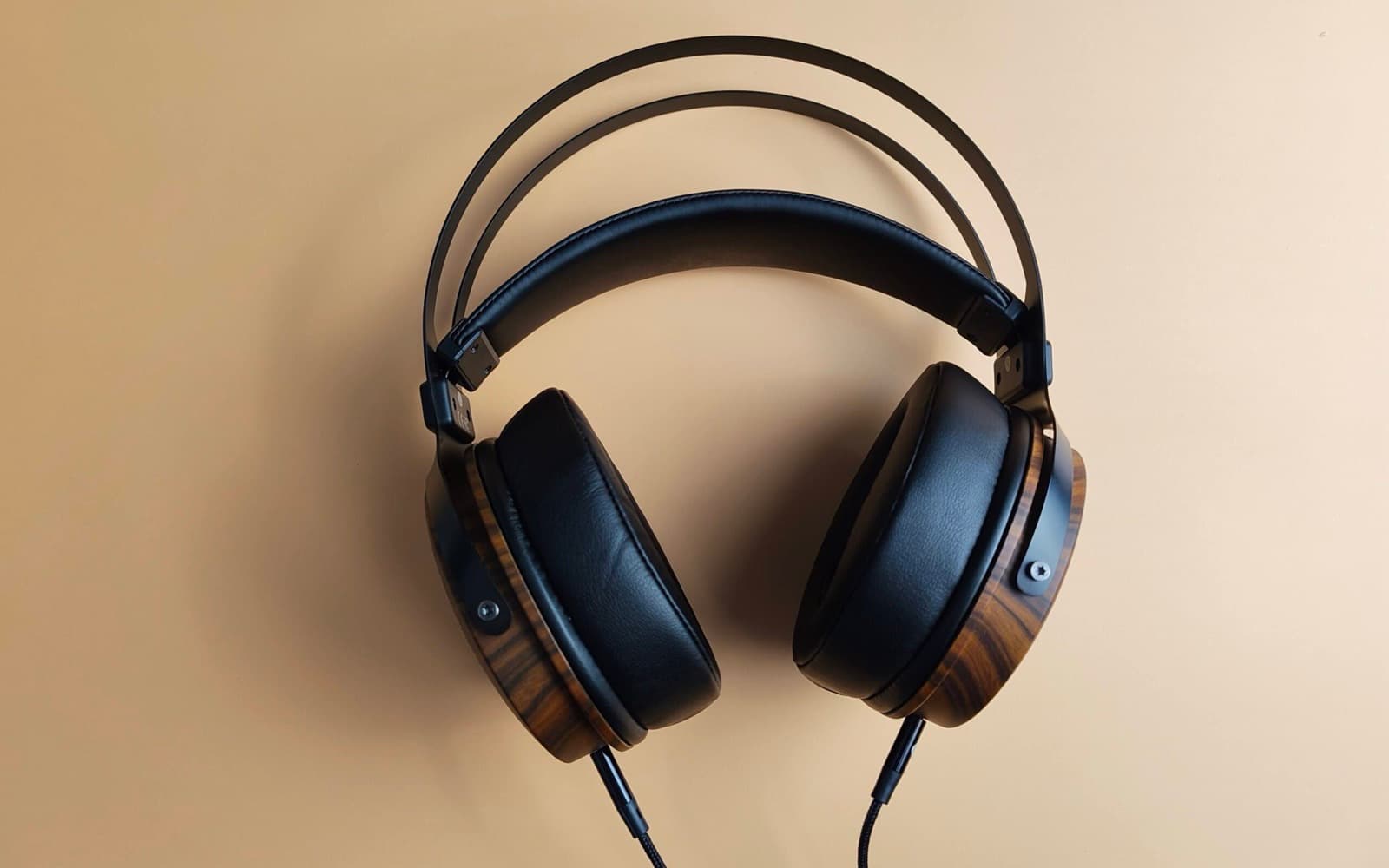
Over-ear is the most comfortable option for long sessions and the worst one in summer. If you wear glasses, the arms create a pressure point and a leak in the seal, which is a real reason to try before committing.
In-ear performance depends more on the tips than on the earphone. A seal that fits your canal changes the bass response and the isolation more than most of what the spec sheet claims. If a pair sounds thin, try a different tip size before concluding anything.
When the cheap wired pair is the right answer
If you listen mostly at one desk, in a reasonably quiet room, and you have a habit of losing small objects, a wired pair is the sensible purchase and the money you did not spend on wireless features buys better drivers.
Do not buy noise cancelling for a quiet home. It is the feature people pay most for and use least, and it adds the battery, the processing and the failure points to a situation that did not need them.
Do not make true wireless earbuds your only headphones. They are excellent at being pocketable and poor at being repairable, and one lost bud is a dead pair.
And if the objection is that your phone has no jack, the answer is an adapter. It is a small thing to lose track of, which is a fair complaint, but it is not a reason to change what kind of headphones you own.