The Buy Note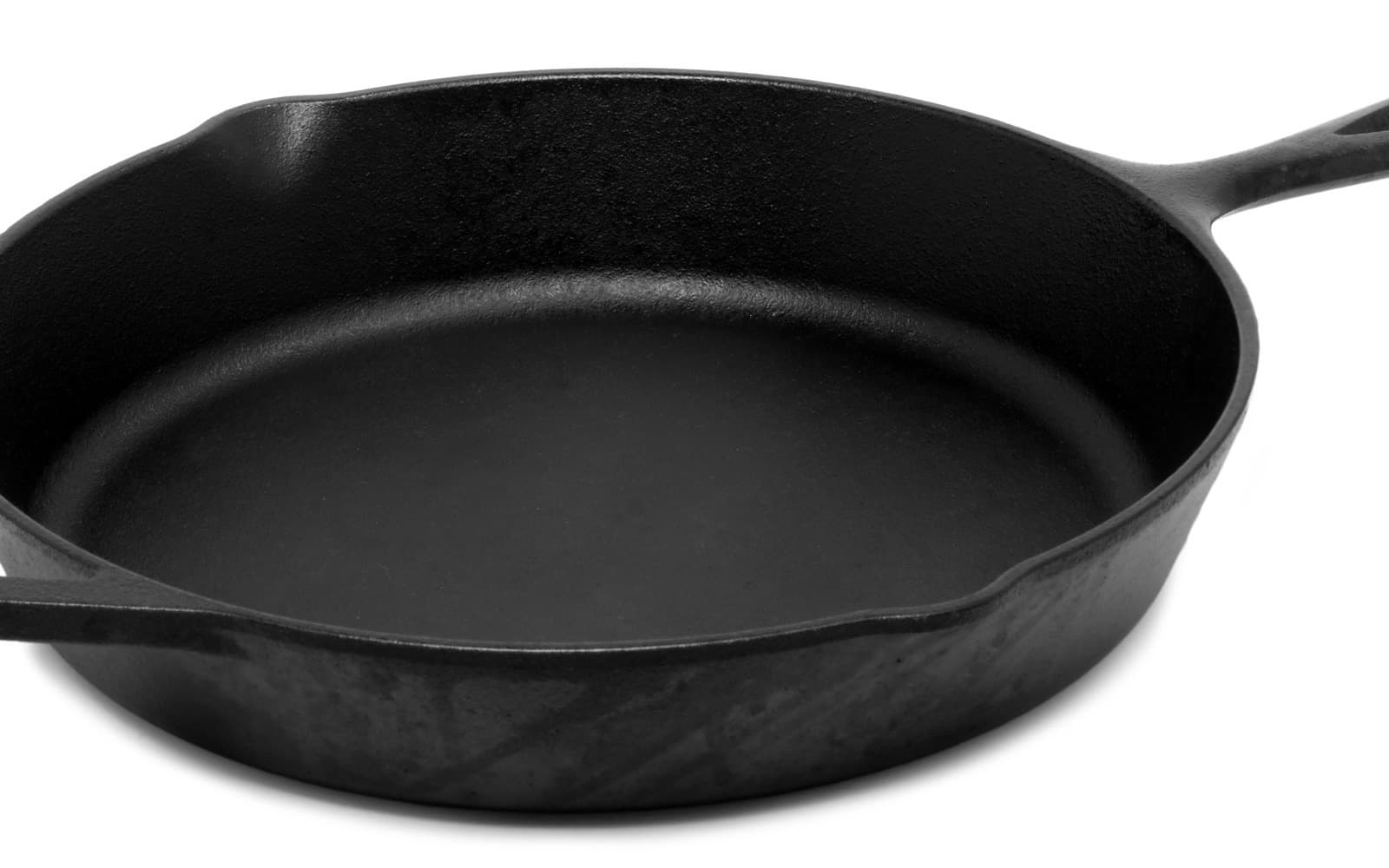
Lodge, Le Creuset and the smooth-milled American pans are not three price tiers of the same object. They are three different tools that happen to be made of iron, and picking between them is really a question of what you cook rather than what you are willing to spend. Below is what each one is, who it suits, and where each falls down.
Nothing here has been bought, opened or tested. These are picks made from what each product is built out of and designed to do, and from its reputation — not from anybody here having owned one.
Why these are three objects, not three grades
Bare cast iron works because of seasoning: layers of polymerised fat bonded to the metal, built up by cooking. That surface releases food reasonably well, and it dislikes long contact with acid and prolonged soaking.
Enamelled cast iron has no seasoning at all. It is iron with a glass coating fused to it. The coating never needs building and never wears in, which makes the pan indifferent to tomatoes, wine and vinegar — and makes it a poor choice for the high, dry, hard sear that bare iron is famous for.
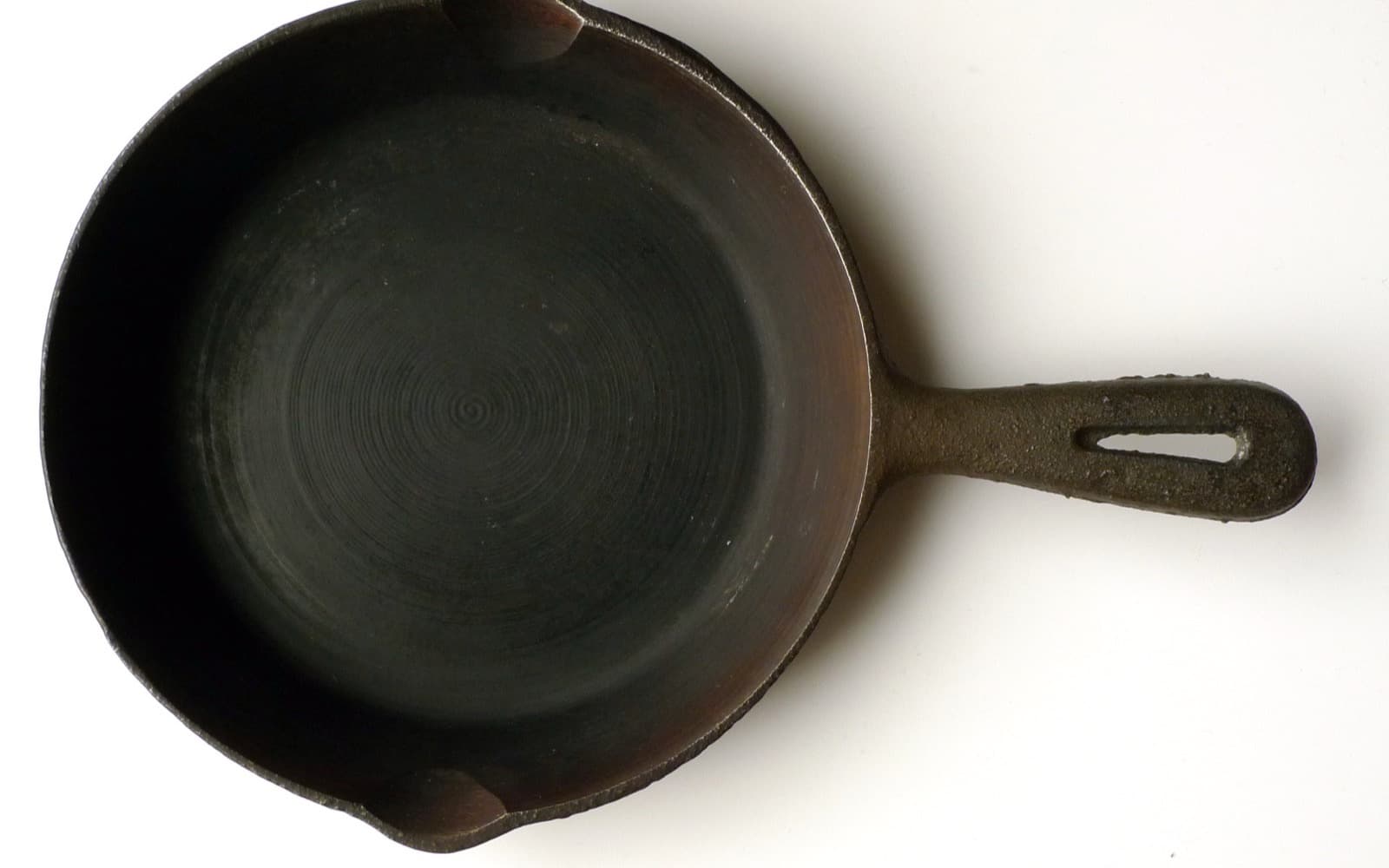
Milled iron is bare cast iron with the cooking surface machined smooth after casting, usually in a thinner, lighter casting. It is the same category as Lodge, refined and made costlier.
Lodge cast iron skillet
Lodge is the American default: sand-cast iron, made in Tennessee, sold pre-seasoned, and available in a run of sizes from small egg pans up to skillets bigger than most domestic burners. The 10.25-inch is the one most kitchens end up with, and the 12-inch is the one people buy second when they discover the first will not hold four chicken thighs without steaming them.
It suits anyone who wants the cooking behaviour of cast iron and does not care what the pan looks like. Thick walls hold heat, so a cold steak dropped into a hot Lodge does not stall the pan. It is oven-safe, grill-safe, fire-safe, and the least expensive pan here by a wide margin, which is why plenty of kitchens have two.
The weakness: the cooking surface is left with the pebbled texture of the sand mould. Seasoning fills it in over years, but early on food catches in the grain, and eggs are a fight. It is also heavy and awkwardly balanced — one short handle, no helper handle on the smaller sizes, and a full 12-inch pan coming out of an oven one-handed is a genuine strain.
Le Creuset enamelled cast iron skillet
Le Creuset makes enamelled cast iron in France, and the skillet shares the construction of its better-known round ovens: iron body, coloured enamel outside, a dark enamel cooking surface inside. There is no seasoning routine. You wash it, including with soap, and put it away.
It suits the cook who wants one pan to sear, then deglaze, then simmer something acidic — a braise, a pan sauce with wine, a tomato-heavy dish. It suits people who dislike maintenance rituals, and people who want the pan to look like something rather than like a tool. Enamel does not react with food, so nothing you cook picks up an iron taste.
The weakness: enamel chips, and a chip is permanent. Knock it against a tap, drop the lid of something onto it, or shock it with cold water while hot, and you have damage no amount of care reverses. It is also the most expensive pan here by a wide margin, and it will not out-sear a bare iron pan; enamel manufacturers generally warn against the very high dry heat that makes cast iron searing worth doing.
Field Company skillet
Field Company makes lightweight cast iron in the older American style: sand-cast, then machined smooth on the cooking surface, with thinner walls and a noticeably lower weight than a Lodge of the same diameter. The finish is a fine milled surface rather than a mirror polish, and the pans ship seasoned.
It suits somebody who already knows they like cast iron and has decided the weight is the problem. Lighter walls also mean the pan responds faster to a change in burner setting, which flatters anything that needs adjusting mid-cook rather than blasting.
The weakness: you are paying a great deal more than a Lodge costs for less metal. Thinner walls hold less heat, so a cold, thick piece of meat drops the surface temperature more than it would in a heavier pan, and you have to work in smaller batches or wait longer between them. It is also bare iron, so every seasoning and acid caveat still applies — the smooth surface makes maintenance pleasanter, not optional.
Smithey Ironware
Smithey, made in Charleston, is the polished end of the same idea. The cooking surface is machined and finished to something close to a mirror, the walls are thinner than Lodge's but the pans are not featherweight, and the larger skillets carry a helper handle opposite the main one — the single most useful feature on any heavy pan.
It suits somebody buying a pan they intend to keep for decades and want to look at, and somebody who wants a smooth surface without going as light as Field. The helper handle alone makes the big sizes practical for oven work.
The weakness: it is expensive for what it does, and a polished surface is a starting point rather than a permanent property — it seasons, darkens and dulls with use like any bare iron. If you expect a non-stick pan out of the box, you will be disappointed twice: once when eggs stick early on, and again when the mirror finish disappears under seasoning.
How they compare
| Lodge | Le Creuset enamel | Field | Smithey | |
|---|---|---|---|---|
| Cooking surface | Rough, as-cast | Enamel, no seasoning | Milled smooth | Polished smooth |
| Weight for size | Heaviest | Heavy | Lightest | Between Lodge and Field |
| Heat retention | Highest | High | Lowest | Moderate |
| Acidic cooking | Brief only | Unrestricted | Brief only | Brief only |
| Main failure mode | Nothing much; it is nearly indestructible | Chipped or crazed enamel | Thin walls, less stored heat | Cost relative to benefit |
| Relative cost | Cheapest by far | Most expensive | Expensive | Expensive |
The honest summary: Lodge and Le Creuset are doing different jobs, and Field and Smithey are doing Lodge's job with less weight and a nicer surface for considerably more money.
When none of these is right
If you fry an egg most mornings and cook nothing else in the pan, cast iron is the wrong tool. A cheap non-stick skillet does that job better, and you replace it every few years without regret.
If you already own a rusty inherited skillet, you already own the answer. Rust comes off with steel wool and effort, and the pan underneath is the same iron people pay a lot for. Restoring it costs an afternoon.
If what you actually want is a light pan with a smooth surface that takes a hard sear, look at carbon steel rather than milled cast iron — a de Buyer or Matfer Bourgeat pan is thinner, lighter, seasons the same way, and generally costs less than the milled iron pans. It holds less heat, which is the trade.
And if you have no strong feelings at all, buy the Lodge. It is the cheapest thing here, it will outlive you, and if you decide the weight or the texture is intolerable, you will then know exactly which of the others you are buying and why.